GIVIT launched our first Reconciliation Action Plan (Reflect) in 2021. Our second and current Reconciliation Action Plan (Innovate) runs from March 2025 to March 2027.
Reconciliation Action Plan annual progress report
As part of GIVIT's Innovate Reconciliation Action Plan (RAP) March 2025 - March 2027, the below represents our annual public reporting on our RAP's achievements, challenges and learnings for the period March 2025 to February 2026.
Progress tracking
As of mid-February 2026, out of 62 total tasks in GIVIT's RAP:
- 16% are completed
- 45% are in progress
- 21% are recurring tasks that have been partially completed
- 18% are at risk, or not yet started.
Achievements
Walking together with frontline organisations
GIVIT has provided more than 120,000 essential goods and services to help First Nations Australians in need since the launch of our RAP. While our RAP is not responsible for this impact, it does give us the opportunity to connect more authentically with organisations helping First Nations Australians doing it tough.
We asked Jennifer from Yokai for feedback on the support we provide and how it helps their organisation. Yokai supports the needs of individuals and families in Western Australia adversely affected by policies and practices of separating Aboriginal Peoples from their families, communities, countries and cultures. Here’s what Jennifer said:
“From Yokai’s perspective, GIVIT holds a unique and important place in truth telling and reconciliation in Australia. The platform creates a practical and immediate pathway for everyday Australians to directly support Stolen Generations Survivors at a time when that opportunity is both historically significant and time-critical.
...GIVIT provides something that is often missing in policy responses — the ability for Australians to respond with compassion in practical, immediate and human ways. Whether it is essential household items, mobility supports, cooling or heating, or simple things that restore comfort and dignity, these supports can significantly improve quality of life for Survivors who have often gone without throughout their lives.
From a truth telling perspective, the GIVIT model allows donors to engage with the lived realities of Survivors in a respectful and safe way. It helps move reconciliation beyond words into action, allowing people across the country to participate directly in supporting healing.
What GIVIT does well:
- Provides a culturally safe and respectful platform that protects client privacy, while still telling meaningful stories.
- Creates a stronger direct ridge between community goodwill and Survivor wellbeing.
Opportunities moving forward:
- Continued storytelling that helps donors understand the histroical and ongoing impacts of the Stolen Generations.
- Highlighting the urgency around supporting goodwill and Survivor wellbeing while the opportunity remains.
We deeply value collaboration with GIVIT and the difference it is making for the Survivors and families we walk alongside."
The RAP Working Group (RAPWG) and the entire GIVIT team feel priviliged and honoured to collaborate with organisations like Yokai to provide critical support.
Increasing cultural capability
The confidence and aptitude of the wider GIVIT team in delivering Acknowledgements of Country has significantly improved since the Innovate RAP began. Team members are regularly researching the history of their area to ensure their Acknowledgement is tailored, interesting and engaging. In a recent survey, 79% of respondents answered “yes” to the question “do you understand the significance of cultural protocols such as Acknowledgement of Country and Welcome to Country.”
When a First Nations facilitated educational session at GIVIT’s conference fell through at the last minute due to availability, the RAPWG adapted, and moved quickly to put together a place-based truth-telling exercise. This activity ranked highly in the post-conference survey.
The RAPWG also led a truth-telling session for all staff, examining the process undertaken by The Wyatt Trust, and their research project delivered in partnership with Dr Jennifer Caruso. Feedback from the session was overwhelmingly positive, with team members telling us the session has given them a much better understanding of what truth-telling is, and what it aims to achieve.
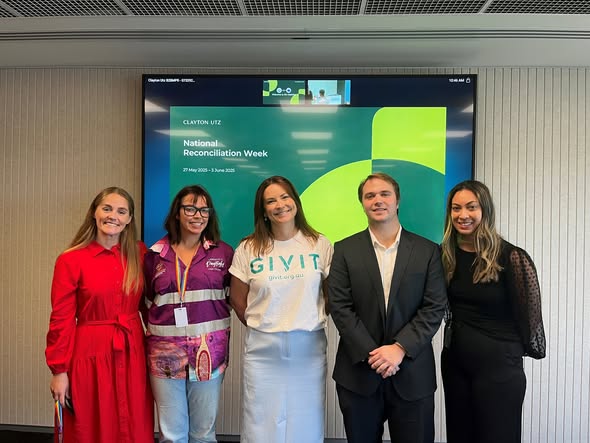
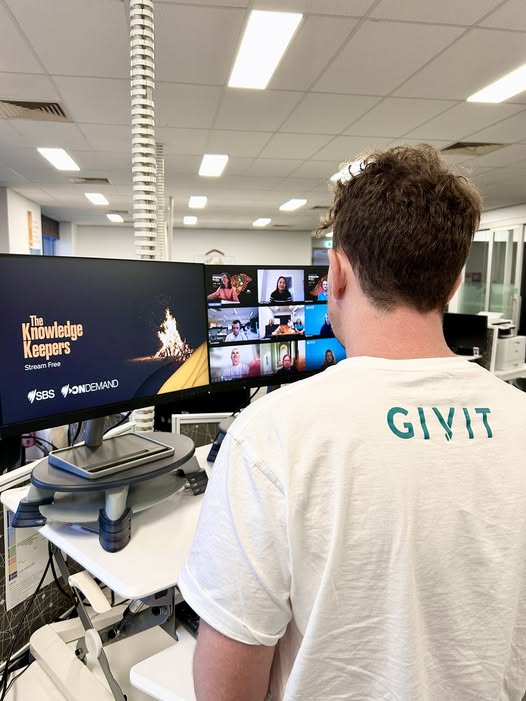
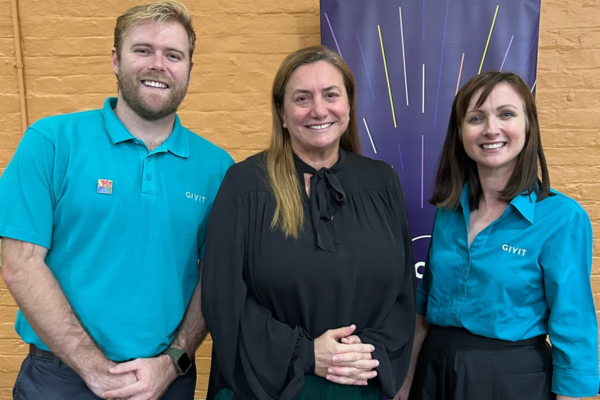
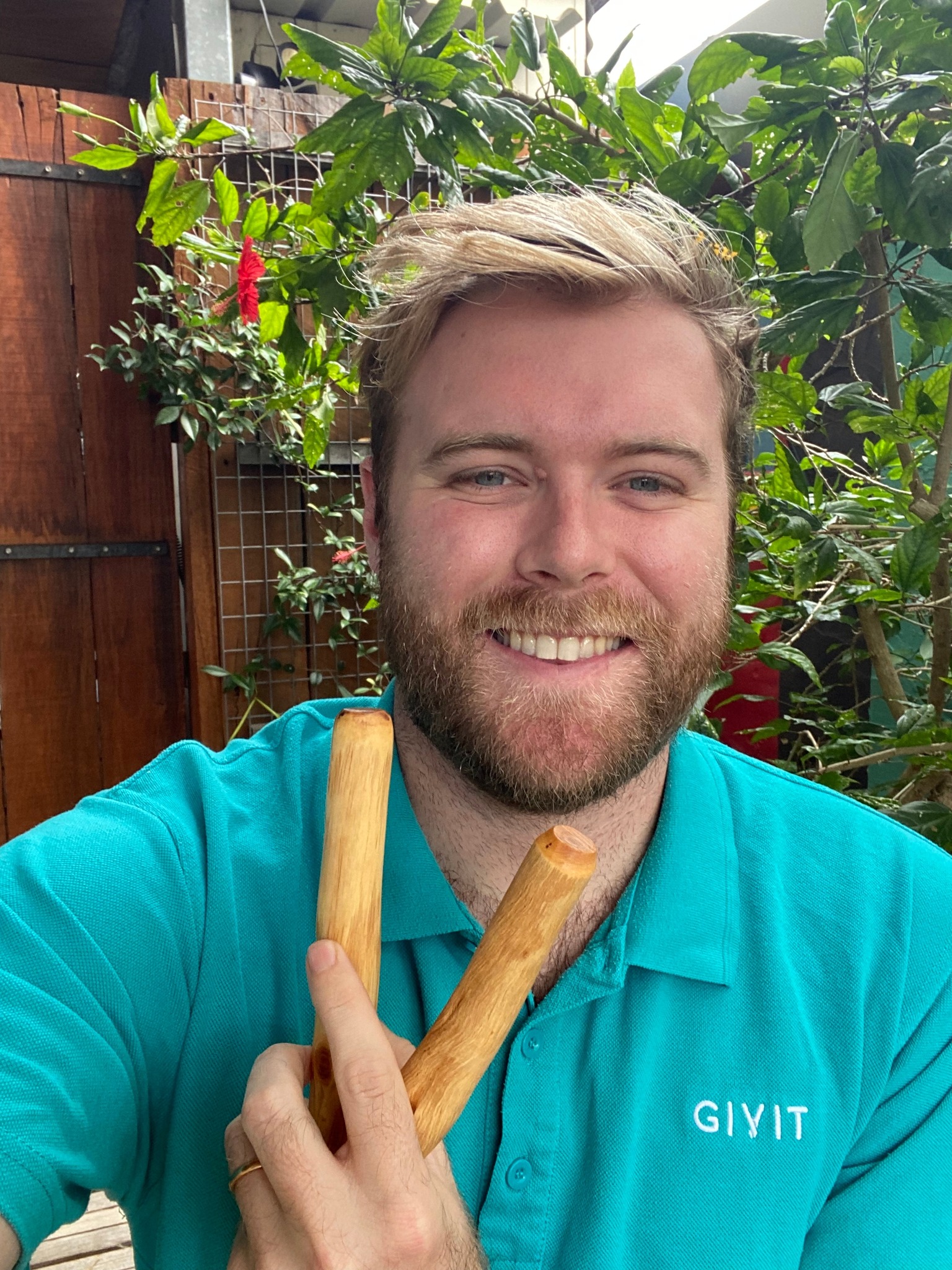
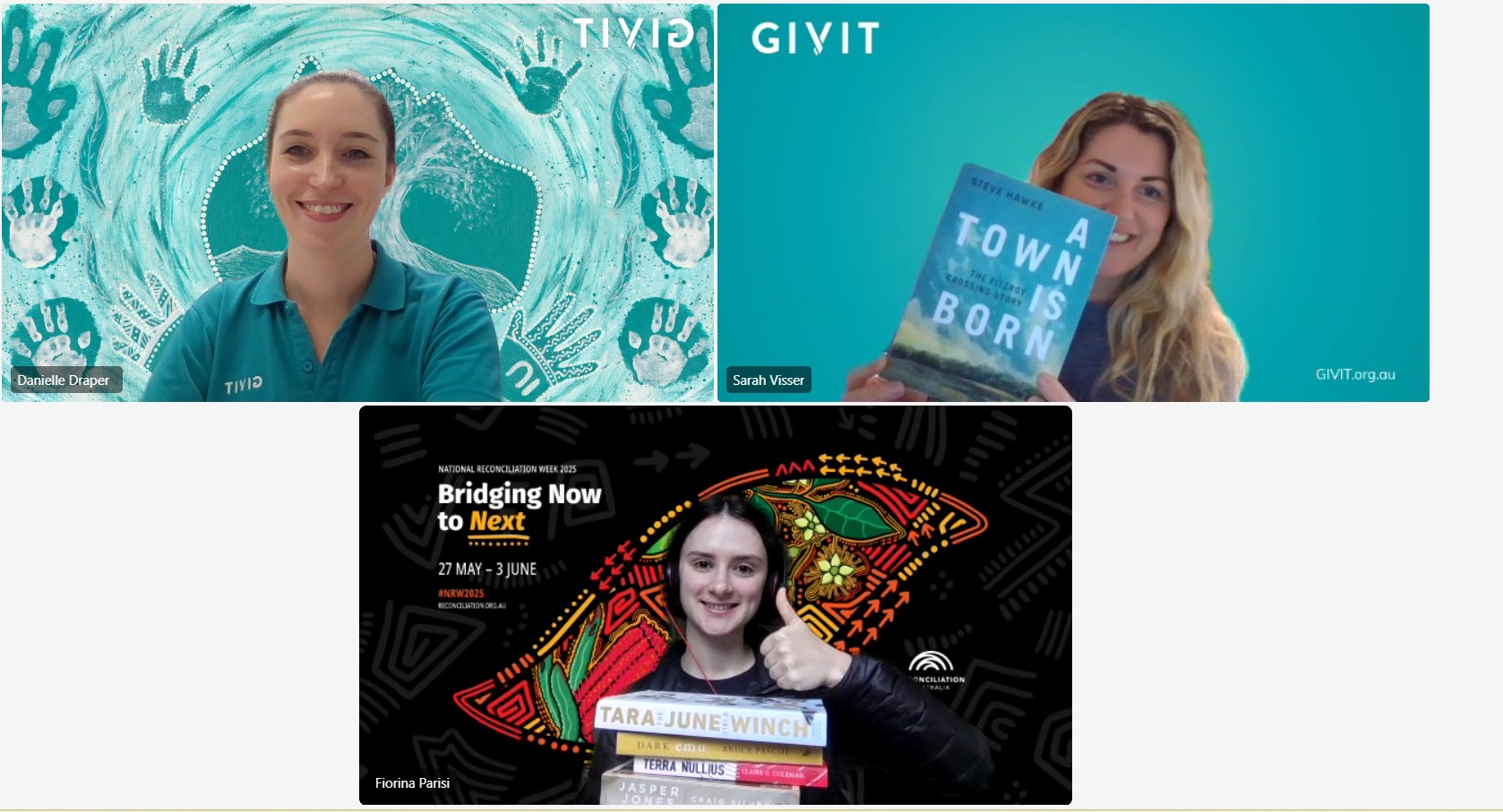
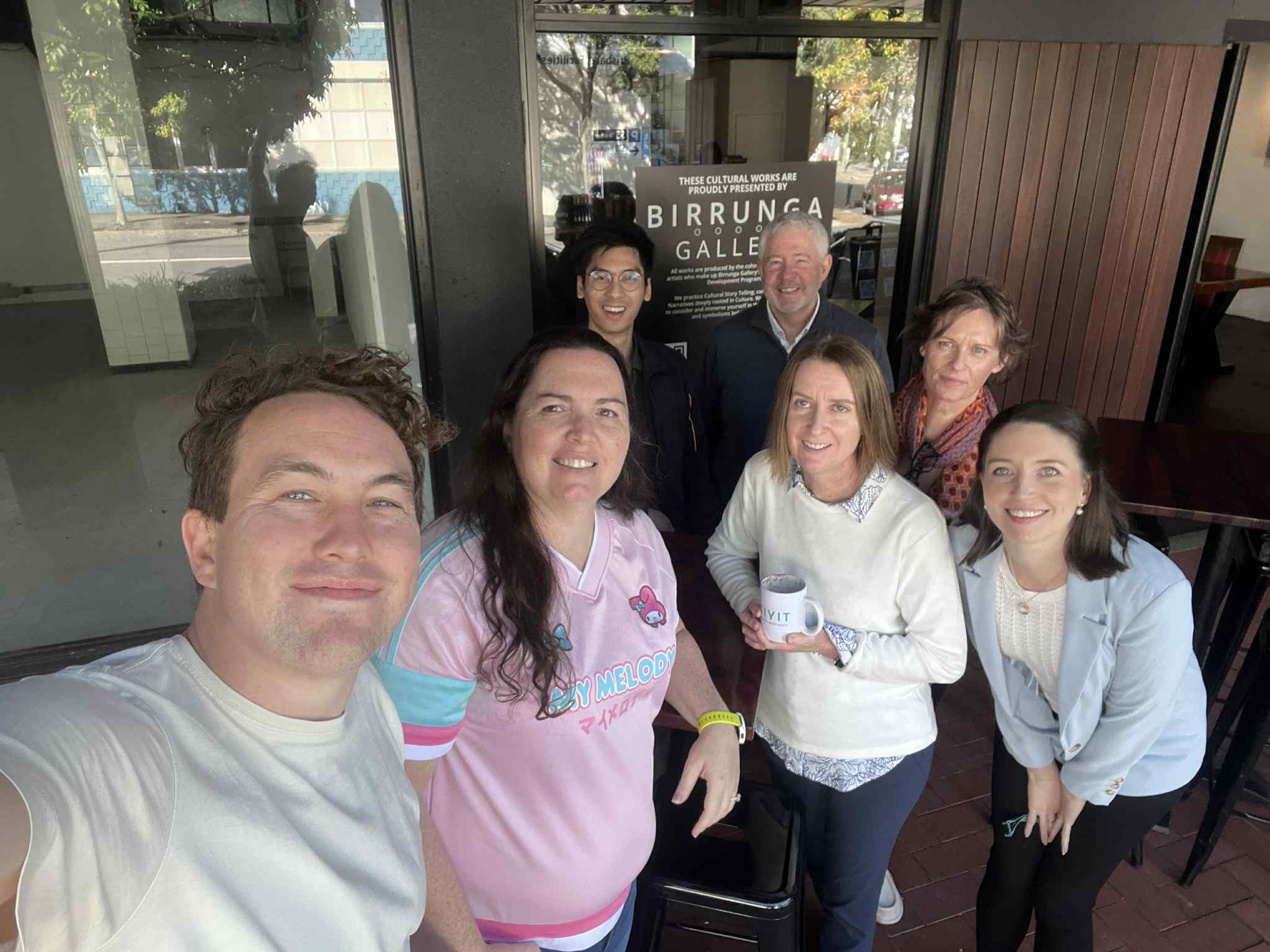
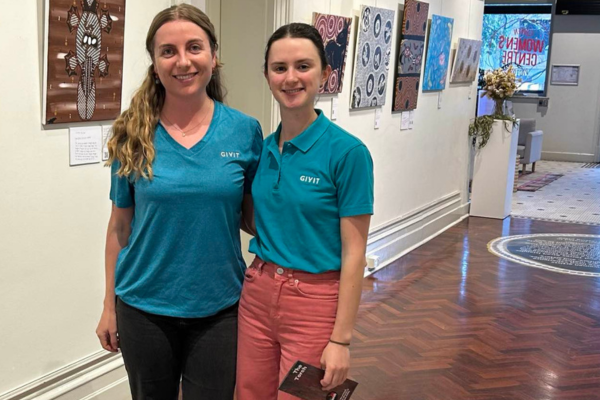
A snapshot of GIVIT's Reconciliation Week activities in 2025
Challenges
Delivering on RAP tasks in balance with regular workload
GIVIT’s ongoing operations involves helping people impacted by hardship including homelessness, domestic and family violence, financial hardship, mental ill-health, disability, illness or injury. This business-as-usual work is augmented by our work in disaster recovery, which often escalates dramatically without notice.
The RAPWG has found that identifying and protecting time slots to focus on and deliver RAP tasks can be difficult. We’ve worked to include and embed GIVIT’s RAP into our new strategy. Reconciliation and GIVIT's broader work helping First Nations Australians in need is a strategic priority for the organisation moving forward, and we feel confident that prioritising the exeuction of RAP tasks will become easier.
First Nations representation
With the departure of a long-serving team member in 2025, the RAPWG currently has no members who identify as Aboriginal and/or Torres Strait Islander. This raises questions about how the group can make informed, culturally authentic and impactful decisions.
The RAPWG is seeking to include, consult with and be informed by First Nations voices wherever possible. We recognise that meaningful reconciliation must be shaped in partnership with the communities it aims to support.
Procurement strategy constraints
GIVIT’s mission is to meet people’s needs by matching donations through innovation and strong partnerships to strengthen communities and positively impact lives. This is in part achieved by purchasing goods and services with donated funds, to fulfil requests by organisations on behalf of people doing it tough.
Our purchasing is often shaped by external factors such as product and supplier availability and preference, location and price. These operational realities can limit our ability to consistently purchase from First Nations suppliers.
Accurately tracking and measuring progress
The RAPWG has introduced work platform Monday.com to track and measure our progress on tasks. This has uplifted the visibility, analytical capability, and insights into our RAP progress, however we’re still learning how best to use this program, and how best to structure boards and task tracking to improve efficiencies and accurately reflect our results.
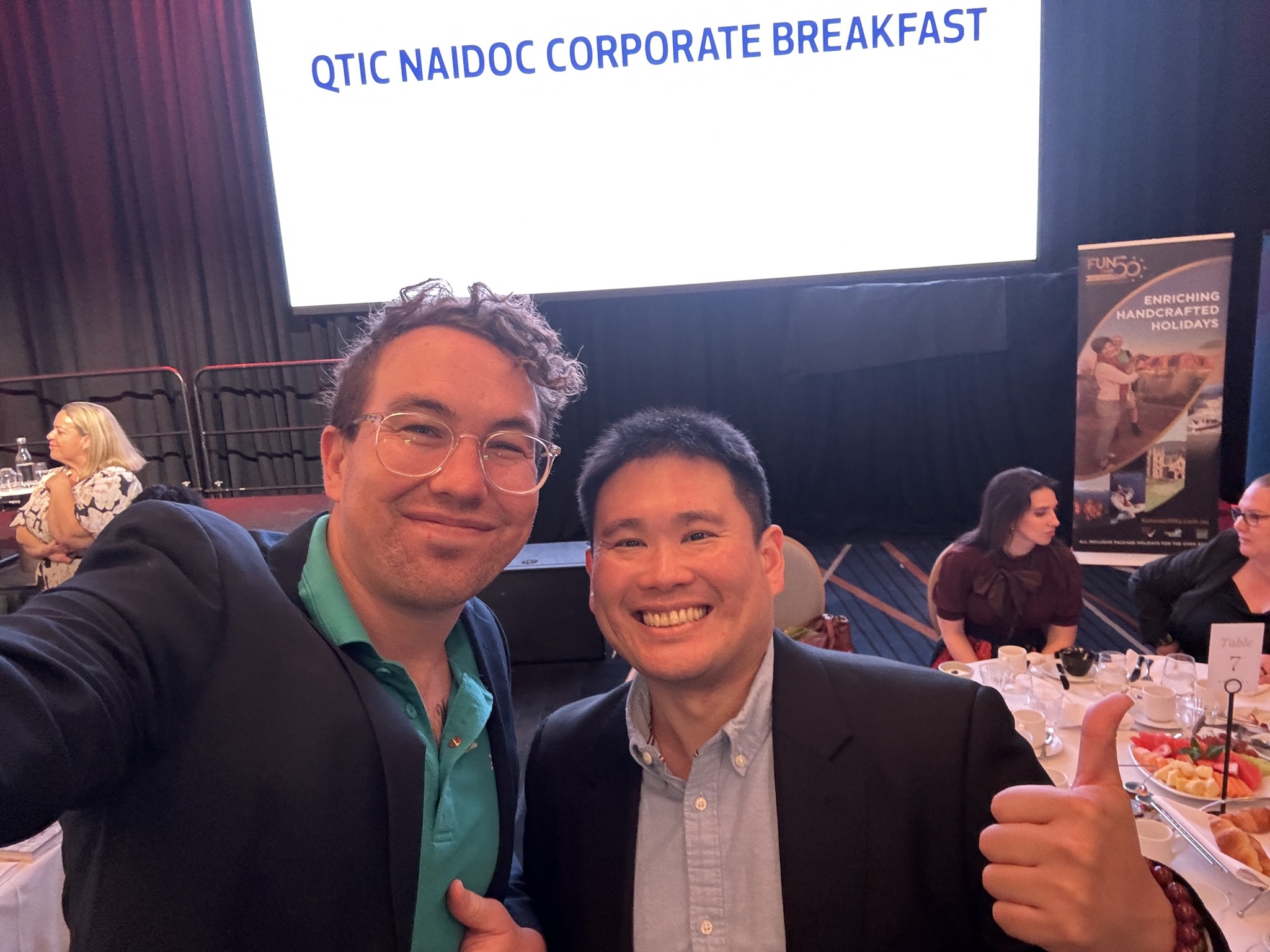
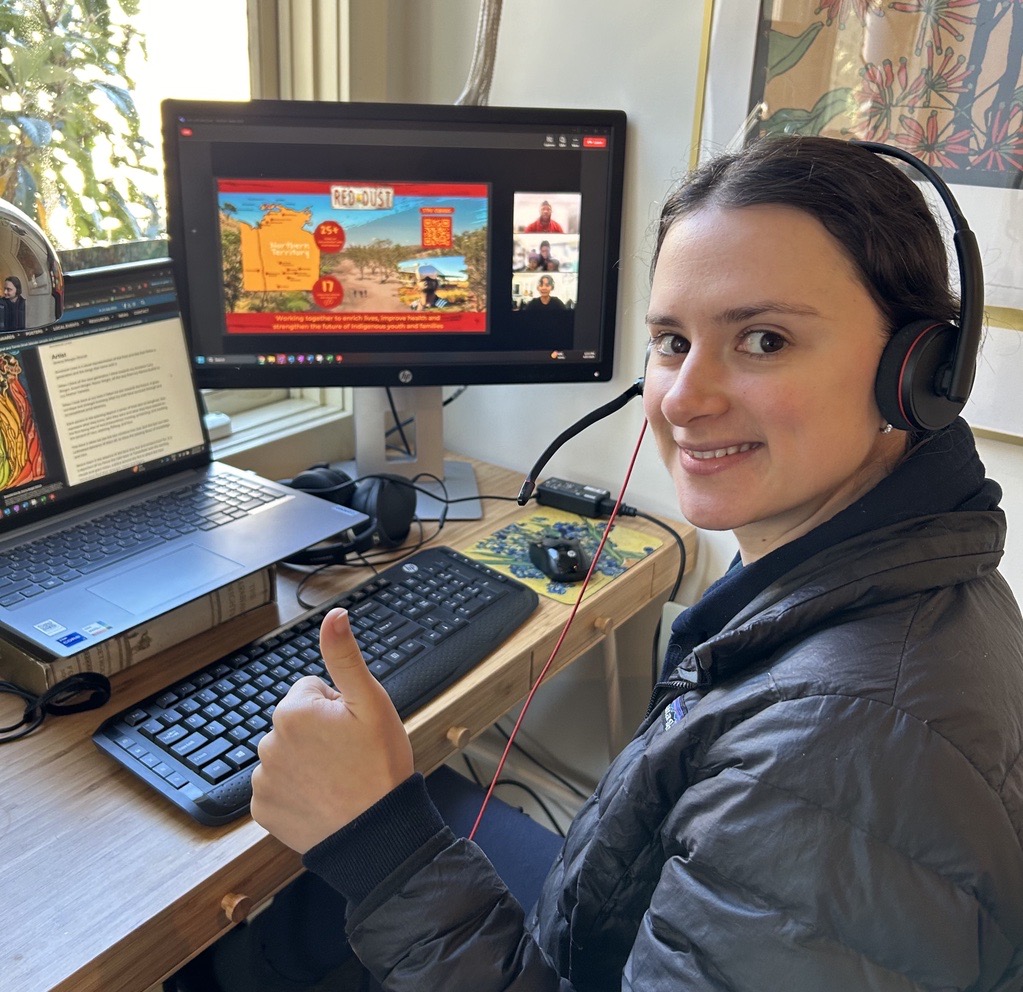
Some of GIVIT's NAIDOC Week activities in 2025
Learnings
An evolving approach to resourcing
As a not-for-profit, GIVIT is accustomed to working resourcefully and operating within limited budgets. Our reconciliation journey has shown us that it’s not always appropriate to aim to maximise output for minimal spend. Engaging with First Nations Peoples, businesses and knowledge holders requires genuine respect, including appropriate remuneration and investment in high-quality expertise, products and services. We’re committed to honouring this by ensuring our approach to reconciliation reflects true value, not cost-saving.
Driving deliverables throughout the organisation
At the halfway point of our two-year RAP, the RAPWG met to reflect on our progress. We invited Darren Hammond, Indigenous Engagement Manager at GIVIT’s partner Insurance Australia Group (IAG), to share his insights. One of the key pieces of advice we took away was that the Working Group is not solely responsible for executing every deliverable of our RAP. Instead, our role is to embed RAP commitments into GIVIT’s everyday operations, engage colleagues and teams across the organisation, and project manage and drive the achievement of our deliverables. This guidance has reinforced our focus on building shared ownership of reconciliation across the entire organisation.
Collaboration is key
Another learning has been around partnerships. GIVIT has a large and diverse sphere of influence. This includes corporate partners, government departments, community partner organisations, including Aboriginal and Torres Strait Islander community-controlled organisations, and organisations with active RAPs. Collaborating with organisations in our sphere of influence has helped us to strengthen our cultural capability, share knowledge, and deliver meaningful progress across our RAP deliverables. Examples include co-hosting a screening of the Knowledge Keepers with our partner IAG, and connecting with Vinnies WA to share learnings and best practices.