In Australia, 1 in 4 women and 1 in 14 men have experienced violence from an intimate partner since the age of 15. Though experienced by all people, rates of violence are higher for certain groups, such as women, children, people living with disabilities, First Nations peoples and LGBTQIA+ people.
This abuse can occur repeatedly or once. Domestic violence takes on various forms:
-
Physical
-
Sexual
-
Verbal
-
Emotional
-
Psychological
How can phyical abuse impact people's teeth?
Physical abuse can lead to facial injuries, jaw trauma, or oral wounds. Missing or broken teeth, untreated decay, and dental fractures are common issues faced by victims, made worse by abusers denying access to dental care. This violence and control can result in changes to appearance that can greatly impact the quality of life in women who experience DV. It not only alters the way they eat or talk, but also destroys their confidence and self-image.
Dental health is an important but often-overlooked aspect of recovery. Women suffering from poor oral health experience feelings of shame or embarrassment, leading to further social withdrawal and difficulty reconnecting with the community.
Many women who have left their abusers still struggle to access dental care. Even after escaping the situation, they face financial and emotional barriers that make it hard to reach the help needed. Domestic violence donations for dental recovery (dentures, braces, crowns, fillings) will help empower women on their path to healing and independence.
How GIVIT helped restore the smile of a DV survivor
GIVIT received a request from an organisation supporting a woman in her 50s who urgently needed dental work due to DV. The waitlist at the time for public dental services was two years. This survivor needed top teeth removed and dentures The costs added up quickly.. With some of her teeth rotting, the treatment was essential as there were health risks from infections as well. Not to mention the emotional toll from having poor teeth, which served as a constant reminder of the abuse she had suffered.
GIVIT ran a segment on ABC Radio Brisbane to help her through donations of time and skills. The response to the request was amazing. A total of $1,600 in cash donations was pledged, with one man alone donating $1,000! A dental prosthetist also called in and offered to make the dentures for this woman. Following up with the prosthetist and the survivor after treatment was an overwhelming moment. There was gratitude and tears all around.
The domestic violence charity supporting this woman sent GIVIT this beautiful thank you message: “There is so much love for the work we all do and for the incredible donors who choose to support us.”
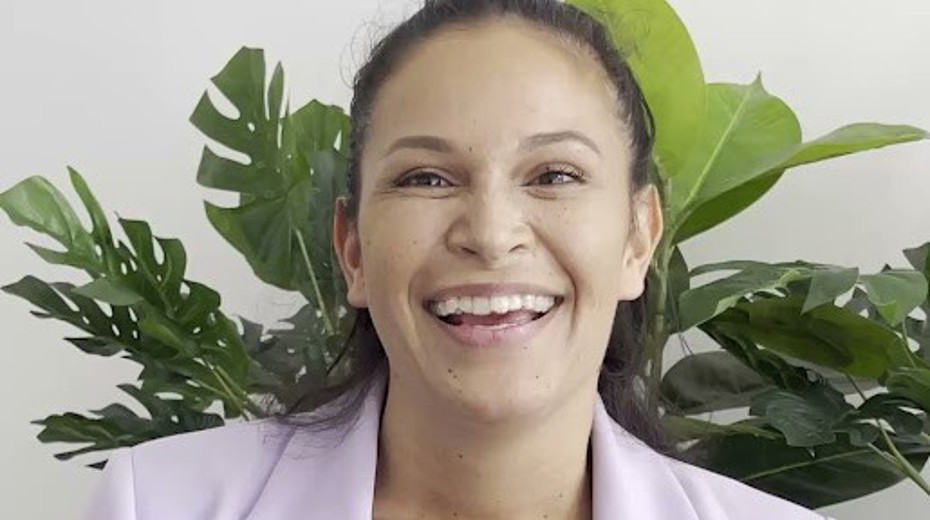
Temiah from GIVIT on this woman's reaction to getting new teeth!
What is the domestic violence rate in Australia?
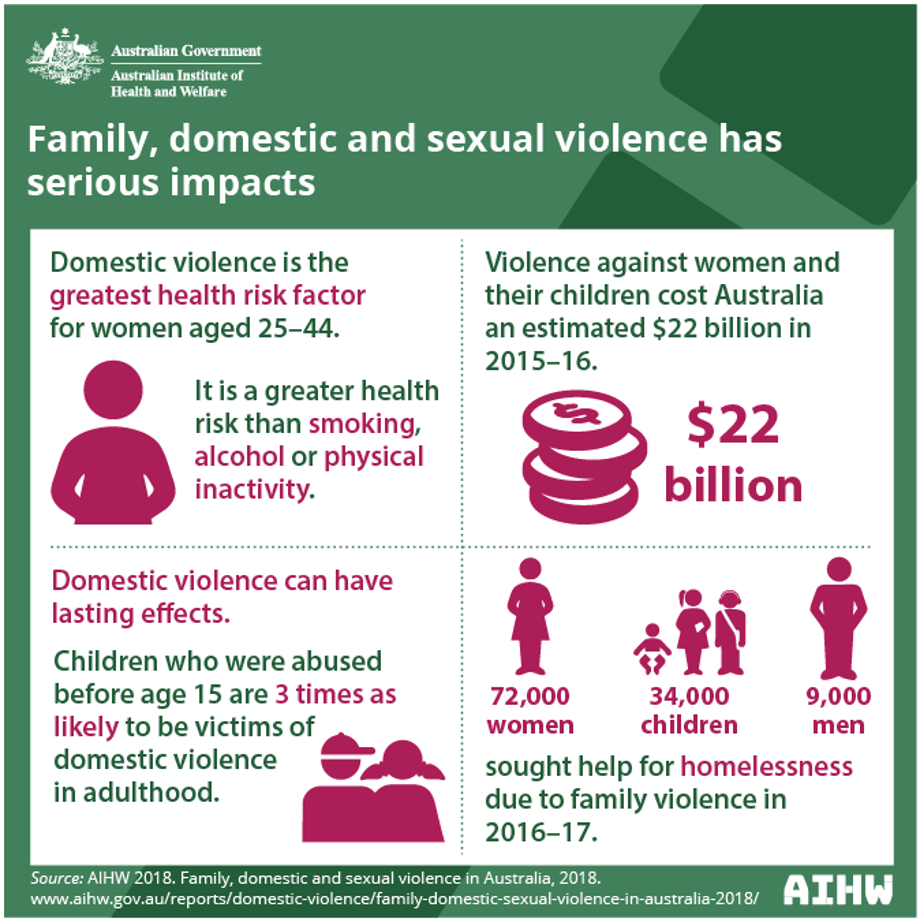
According to the National Plan to End Violence against Women and Children 2022-2032:
-
One in 3 women has experienced violence by a partner, other known person or a stranger since the age of 15.
-
Among women 18 to 44 years, violence against women is the single biggest risk factor contributing to disease burden; more than smoking, drinking or obesity.
-
Domestic and family violence is a leading driver of homelessness for women.
-
Intimate partner homicide is the most prevalent homicide type in Australia.
-
Violence represents 10.9% of the burden of disease for Indigenous women.
-
One in 6 women and one in 9 men has experienced physical or sexual abuse before the age of 15
Source: AIHW
What do women's shelters need most across Australia?
The top women's refuge donations needed are basic items for everyday use. Charities consistently rely on staples for food banks, hygiene kits, furniture and home starter packs for survivors getting back on their feet or moving into stable housing. Some of the most requested items are:
-
Non-perishable food (pasta, rice, canned goods, cereal).
-
Personal hygiene products (soap, shampoo, toothpaste, sanitary items).
-
Clothes (new clothing, socks, underwear).
-
Bedding (blankets, sheets).
-
Furniture (sofa, dining set, beds, mattress)
-
Children's items (toys, books, educational materials).
-
Voucher/gift cards (fuel, groceries).
For women and kids escaping violence, support options are often limited. They have to leave everything behind and cannot risk going back to get their possessions. Donate to a domestic violence charity to help provide the support needed through GIVIT to ensure the goods you want to give are actually needed.
What are the specific ways to donate to domestic violence victims in QLD?
-
Online donations to GIVIT’s Domestic and Family Violence Appeal - 100% of publicly donated funds received by GIVIT will be used to purchase essential goods and services for people affected through donor organisations.
-
Donate good-quality requested items. Check the ‘What's needed’ list to see requests by DV shelters in QLD. You can use the location filter to search for requests in QLD. For example if you want to donate clothes to a Brisbane domestic violence service,
-
Have an item not listed? List your donations on GIVIT's online warehouse so our partner charities can access them when required.
-
Donate funds towards requests for goods and services across QLD.
-
Donate your time - Volunteer to help DV survivors in QLD. Requests range from automotive repairs and dental services to decluttering help or driving lessons.
-
Fundraise - It's quick and easy for individuals, community organisations and companies to set up a personalised fundraising activity page directly through our platform.
FAQs about donations to domestic violence charities
Why donate to GIVIT?
Trusted government partner
GIVIT is a trusted donation management partner of state and local governments.
Donations are tax deductible
GIVIT is a registered charity with DGR status, so your donation is tax deductible.
Empowering people in need
You’re helping us to support people experiencing hardship with essential goods and services while allowing them to maintain their dignity, safety and independence.
Genuine need
GIVIT's community partner organisations around Australia work closely with people experiencing hardship to identify exactly what they need.